We’re escalating climate engagement with QBE – you can help
We’re using our position as an investor in collaboration with ethical share trading platform SIX to pressure QBE to improve its climate policy. We propose to lodge a shareholder resolution for QBE’s AGM in May to put climate on the agenda. At least 100 shareholders are needed by 28 February to lodge a resolution. If you are a shareholder in QBE, or if you are prepared to buy a minimum parcel of QBE shares (around $5001), you can help us reach the minimum shareholder requirement and ensure climate is on the agenda at QBE’s AGM2. To find out how you can help, read more here.
In short
- QBE is one of Australia’s largest insurers, and almost half its business may be exposed to the physical risks associated with climate change3. These risks include more frequent and severe floods, storms, cyclones and bushfires4. At the same time, QBE continues to insure new oil and gas projects in ways that fall behind many global and Australian peers5.
- We’ve engaged with QBE privately and publicly over the years, but the company still falls short of our expectations, including on disclosing how climate change could affect its long-term earnings. For a business potentially so exposed to climate risk – and indirectly contributing to climate risk through insurance underwriting decisions – members deserve stronger transparency. That’s why we’re escalating our engagement to help QBE become a more future-ready business.
Why it's important
Your super is a long-term investment. The companies we invest in need to be resilient, well-managed and capable of navigating long-term risks, including the broader climate risks affecting the economy and financial system. In our view, they should also avoid activities that may deliver short-term profits but exacerbate economy-wide risks. When companies plan, disclose clearly and act responsibly, they can contribute to a more stable and resilient system that long-term investors can rely on.
When we see a company falling behind, on risk management, governance or strategy, we call it out and push for improvement. We don’t do this to punish companies, we do it because we believe better run businesses and a more stable economy can deliver better long-term outcomes for members. This is what active ownership looks like: using your super’s influence to help shape companies for the better.
We have a long history of engaging with QBE on its climate risk management and underwriting standards. But in recent years the scale and urgency of climate related financial risks have grown significantly, and QBE’s responses haven’t kept pace.
- In the first half of 2025 alone, extreme weather events caused $1.8 billion in insured losses across Australia6, driving premiums higher for households and businesses.
- According to the Climate Council, 1 in 23 homes are already high risk for extreme weather events, and 1 in 10 faces unusually high insurance costs7. The report shows these pressures are expected to grow in the decades ahead.
Last year we wrote to QBE seeking clearer information about its exposures to physical climate risk and its approach to insuring new fossil fuel projects. The company’s reply left many questions unanswered. We have since raised concerns at QBE’s AGM and in the media8, because members deserve transparency about the long-term.
Our engagement is grounded in two major issues:
1. Almost half of QBE’s business is exposed to physical climate risk
QBE has already begun exiting some property insurance lines in Australia and North America9. Yet the company does not disclose:
- how climate change could affect its earnings
- how much of its current business may become uninsurable
- the findings of its own forward-looking climate modelling
For a company exposed to climate risk, this lack of clarity is a concern for us as investors.
2. QBE continues to underwrite new fossil fuel projects
QBE’s current climate policy10 permits continued underwriting of new oil and gas projects without restrictions until 2029, at which point QBE may refuse insurance underwriting to clients assessed to be ‘low transition maturity’. For clients whose oil and gas extraction accounts for 60% or less of their overall revenue, these assessments won’t happen until 2040. Clients whose oil and gas extraction accounts for 30% or less revenue are exempt.
This is out of step with:
- major global insurers like Allianz, Aviva, AXA, Munich Re, Swiss Re and Zurich (according to our analysis referenced earlier)
- analysis that shows new fossil fuel expansion is inconsistent with limiting warming to safe levels11
Based on the above it appears there is a growing disconnect between QBE’s public climate commitments and its insurance underwriting. Continuing to support fossil fuel expansion increases long-term climate impacts, which then feeds back into potential physical risks within QBE’s own portfolio.
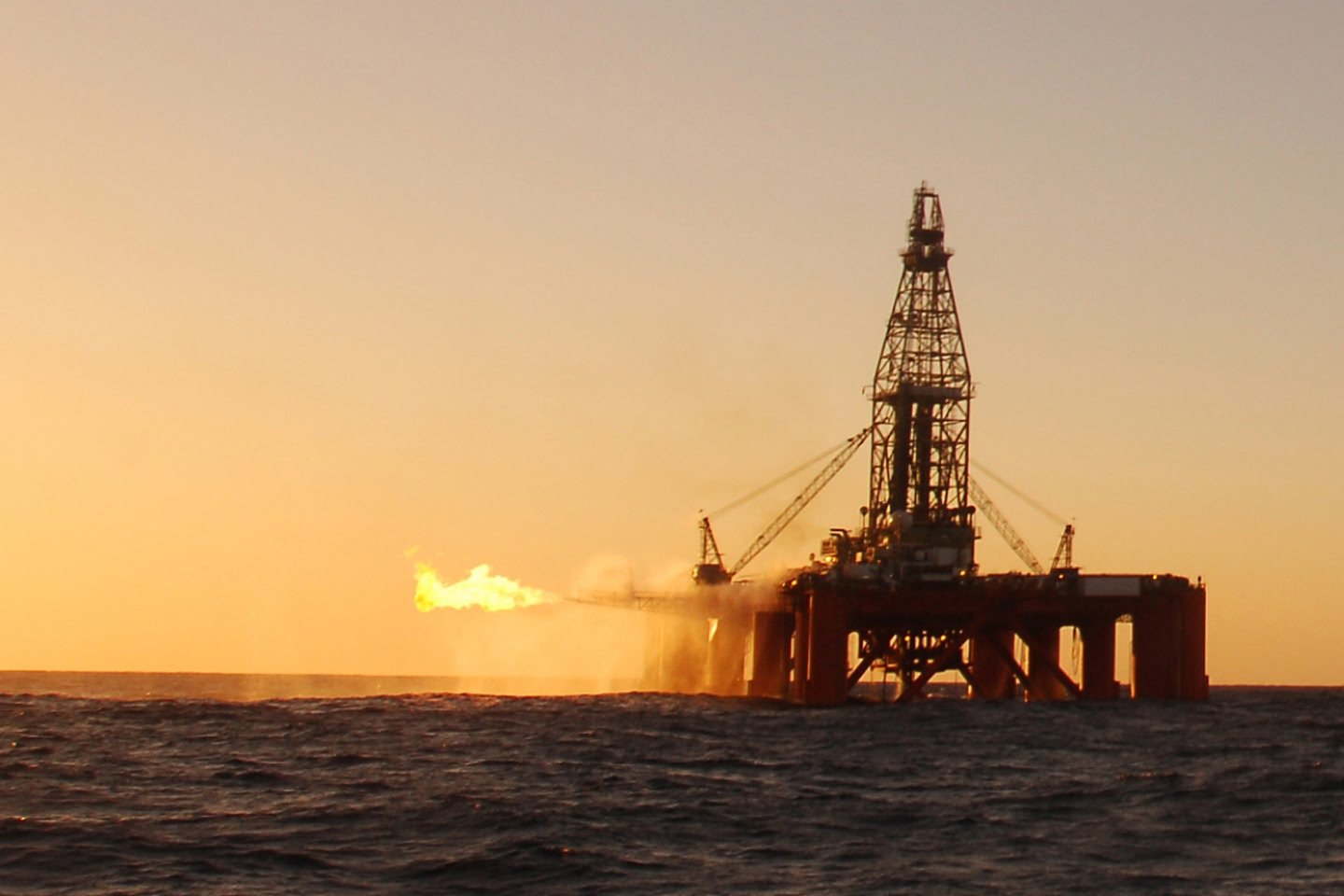
Continuing to support fossil fuel expansion increases long-term climate impacts, which then feeds back into physical risks within QBE’s own portfolio.
What we’re asking QBE to do
Our requests are measured, evidence-based and aligned with potentially better long-term performance. We’re asking QBE to:
- Disclose their exposure to climate-driven physical risk, including which parts of its underwriting book may become unviable, and how this affects long-term earnings.
- Strengthen their restrictions on oil and gas underwriting to align with its public climate commitments, peer standards and science-based pathways.
- Use influence to support their climate resilience by sharing its modelling and advocating for stronger adaptation and mitigation measures. This is something insurers are uniquely placed to do.
These steps are not only aligned with sound climate governance, but we also believe they will improve QBE’s long-term financial resilience and protect shareholder value.
Why this approach could protect members’ long-term returns
Climate change is reshaping the insurance industry. Companies that are transparent, agile and forward-looking will be better positioned to navigate rising claims costs, affordability pressures and regulatory scrutiny. Our goal is not to exclude QBE. Our goal is to help QBE become a better business that is more transparent, more resilient, and more aligned with long-term value creation for our members.
By escalating our engagement, we’re using your investment power to influence one of Australia’s largest insurers to manage climate risk responsibly and plan for the future.
We believe better businesses may contribute to better long-term returns. And that’s what your super deserves.
1 Which you can do on the SIX platform or through any other share trading platform or broker
2 Please note we do not endorse third party products including SIX. The information we provide about the SIX platform is general in nature and is supplied for information purposes only. It does not take into account your objectives, financial situation or needs, and should not be relied upon as financial product advice.
We are not acting as an authorised representative, nor are we authorised to provide financial product advice in relation to the SIX platform or any associated products or services. We do not receive any commissions, fees, or benefits—direct or indirect—in connection with providing this information.
You should consider whether any information is appropriate for your circumstances and seek independent financial, legal, tax or other professional advice before making any decision or relying on this information.
3 In response to our 2025 letter QBE stated that 48% of its current underwriting book is a combination of property (domestic and commercial) and agriculture, and so may be exposed to direct acute and chronic physical climate risk.
4 The link between climate change and the intensity and frequency of these natural disasters and severe weather events is well documented in the Bureau of Meteorology’s annual State of the Climate report Report at a glance | The Bureau of Meteorology
5 Our analysis shows peers such as Allianz, AXA, Munich Re, Swiss Re and Zurich are implementing tighter exclusions for new ouil and gas projects than QBE, based on the company’s latest disclosures fy24-annual-reportvsigned10410571.pdf
6 Extreme weather losses in 2025 exceed $1.8 billion - Insurance Council of Australia
7 At our front door: Escalating climate risks for Aussies homes | Climate Council
8 Some of the coverage of our issues in the media include Ethical super fund says QBE ‘not joining the dots’ between fossil fuel projects and rising premiums | Insurance (Australia) | The Guardian; Australian Ethical calls on QBE to disclose its climate risk - AdviserVoice; and Australian Ethical calls out QBE | Financial Standard. You can view our Stewardship Lead asking questions at the QBE AGM in our 2025 Stewardship Report