
Diversified Shares Fund
Australian and global equity markets delivered positive returns over the financial year to 30 June 2026, although leadership was unusually narrow and returns were concentrated in a small number of sectors. The Australian market was shaped by rising commodity prices, geopolitical tensions and energy security concerns, while global markets continued to benefit from strong investment in artificial intelligence ("AI") infrastructure and resilient corporate earnings. Against this backdrop, the Diversified Shares Fund (Wholesale) (the “Fund”) returned 1.6%, while maintaining strict adherence to Australian Ethical's investment charter.
The Australian market was characterised by a significant divergence between sectors. Materials and commodity-related companies were the primary drivers of index performance as rising demand for resources, higher commodity prices and energy market disruptions supported earnings across the sector. In contrast, many growth-oriented and rate-sensitive areas of the market faced a more challenging environment. Three consecutive interest rate increases by the Reserve Bank of Australia during 2026, combined with elevated inflation pressures, weighed on valuations across Healthcare, Information Technology and other longer-duration growth sectors.
Technology and AI remained dominant market themes throughout the year, although their impact differed markedly between Australia and overseas markets. Globally, continued investment in data centres, semiconductors and AI infrastructure supported earnings growth and helped drive strong returns from a relatively narrow group of companies. In Australia, however, rapid developments in AI led investors to reassess the outlook for software businesses, with concerns around future disruption contributing to significant weakness across parts of the sector despite generally resilient underlying business performance.
Macroeconomic conditions remained an important influence on equity markets. Geopolitical tensions in the Middle East and disruption to global energy markets contributed to periods of higher volatility and renewed inflation concerns. Investors repeatedly reassessed the outlook for monetary policy as inflation proved more persistent than expected, resulting in rising bond yields and periodic pressure on equity valuations. Defensive sectors provided relative resilience during these periods.
From a style perspective, performance outcomes differed across Australian and global markets during FY26. Globally, factor leadership broadened relative to prior periods, with stronger performance from Quality and selected cyclical exposures supported by resilient earnings and improving growth expectations. Low Volatility and Value characteristics provided diversification benefits during periods of market stress. In Australia, style performance was more heavily influenced by the strong outperformance of resource-related sectors and the underperformance of many growth-oriented industries, resulting in a significant divergence between Value and Growth factors. Market leadership remained relatively narrow throughout much of the year, while dispersion across sectors, styles and individual stocks remained elevated. This environment reinforced the importance of maintaining diversified exposures across complementary style premia.
For the Fund, performance reflected its diversified exposure across Australian and international equities. The Australian component of the portfolio was impacted by its limited exposure (for Ethical reasons) to many of the resource, fossil fuel and other commodity-related companies that led market returns during the year. At the same time, holdings within Healthcare, Technology and small-cap industrial businesses experienced valuation pressure despite generally resilient earnings outcomes. The international allocation benefited from continued investment in AI infrastructure, strong corporate earnings and improving economic activity across several global markets.
Over the course of the year the Fund continued to invest in companies that are improving the circular economy, for example, the Fund maintained overweight positions in Sims Group and Brambles. Sims Groups transforms waste metals into valuable resources by collecting and recycling steel, aluminum and other materials that would otherwise be discarded. The company reduces waste and helps manufacturers reduce their environmental footprint. Brambles is helping make global supply chains more sustainable through its CHEP network of reusable pallets, crates and containers. Through Brambles “share and reuse”’ model, they reduce impact on the world’s resources by harvesting fewer trees, contributing less to packaging waste, sending less waste to landfill, and producing lower supply-chain emissions.
Outlook
Looking ahead, the outlook remains constructive, although some uncertainties persist. Continued investment in AI-related infrastructure, resilient earnings growth and improving productivity across the global economy should provide ongoing support for equity markets. At the same time, markets remain sensitive to inflation, bond yields and central bank policy, particularly given expectations that interest rates may remain higher for longer than previously anticipated. Within Australia, market leadership may begin to broaden if inflation moderates and interest-rate pressures ease.
Geopolitical developments and energy markets are also likely to remain important sources of volatility. While risks associated with a prolonged energy supply shock have moderated, inflation pressures have not disappeared and further disruptions could quickly influence market sentiment.
Against this backdrop, elevated dispersion across sectors, styles and individual companies should continue to favour diversified investment approaches that emphasise valuation awareness, disciplined risk management and prudent portfolio construction. The Fund remains positioned to participate in long-term earnings growth opportunities across both Australian and international equities while maintaining adherence to Australian Ethical's investment charter. This includes continued exposure to businesses benefiting from structural themes such as technology, healthcare innovation, electrification and the transition to a lower-carbon economy.
Diversified Shares (Wholesale) Fund Performance
As at 30 June 2026*
| Fund | Benchmark^ | |
|---|---|---|
| 3 Months | 6.6% | 6.2% |
| 6 Months | -0.1% | 3.0% |
| 1 Year | 1.6% | 8.4% |
| 3 Years P.A. | 9.7% | 12.5% |
| 5 Years P.A. | 6.4% | 9.3% |
| 10 Years P.A. | 9.1% | 10.2% |
| Since Inception P.A. | 11.6% | 12.2% |
^75% S&P/ASX 300 Accumulation Index and 25% MSCI World ex Australia Index. Past performance is not a reliable indicator of future performance.
Inception date: 23/01/2012.
Diversified Shares (Retail) Fund Performance
As at 30 June 2026*
| Fund | Benchmark^ | |
|---|---|---|
| 3 Months | 6.5% | 6.2% |
| 6 Months | -0.3% | 3.0% |
| 1 Year | 1.2% | 8.4% |
| 3 Years P.A. | 9.2% | 12.5% |
| 5 Years P.A. | 6.0% | 9.3% |
| 10 Years P.A. | 8.3% | 10.2% |
| Since Inception P.A. | 8.2% | 8.6% |
^Benchmark is 75% S&P/ASX 300 Accumulation Index and 25% MSCI World ex Australia Index. Past performance is not a reliable indicator of future performance.
Inception date: 03/11/1997.
Contributors and detractors
Top 3 contributors to Fund return
+276.0%
PLS Group Limited (PLS)
+82.6%
Sims Ltd. (SGM)
+92.2%
Alphabet Inc. Class A (GOOGL)
Top 3 detractors from Fund return
-50.9%
CSL Limited (CSL)
-8.4%
Commonwealth Bank of Australia (CBA)
-59.8%
Xero Limited (XRO)Contributors
-
PLS Group (PLS) outperformed strongly over the year as improving lithium market fundamentals supported a recovery in spodumene prices from cyclical lows. Higher realised prices drove a significant improvement in earnings, margins and cash generation, while improving sentiment toward battery materials increased investor interest in high-quality, low-cost producers.
-
Sims Limited (SGM) returned 82.6% in 2026 as improving conditions across its metals recycling operations drove a recovery in earnings and investor sentiment. The improved operating performance was underpinned by strength across both ferrous and non-ferrous markets, supporting higher profitability across the business. With an uplift in earnings guidance, the market also became increasingly optimistic about the growth prospects of Sims Lifecycle Services, which provides recycling and repurposing solutions for data centre infrastructure. As a leading participant in the circular economy, SGM remains well positioned to benefit from rising demand for recycled materials and more sustainable manufacturing processes.
-
Alphabet Inc. Class A (GOOGL) delivered a strong return underpinned by solid revenue growth highlighting the commercial benefits of its investment in AI. Search advertising revenue continued to grow strongly, with search queries at an all-time high, while Google Cloud reported accelerating growth as customers increased spending on AI infrastructure and services. Importantly, the integration of Gemini across Google's products demonstrated that AI could enhance user engagement and monetisation rather than displace the company's core Search franchise.
Detractors
-
CSL (CSL) detracted from performance as it rebased its earnings outlook amid regulatory setbacks in China, continued vaccine sentiment fatigue and the impact of generic competition within its Vifor segment. Despite near-term headwinds, we continue to see CSL as a high-quality healthcare franchise with attractive long-term growth prospects, supported by its global leaderships in plasma therapies and vaccines, significant scale advantages and multiple avenues for earnings recovery.
-
Commonwealth Bank of Australia (CBA) declined 8.4% in 2026 despite continuing to deliver resilient operating performance. The bank's 1H26 result showed improving credit quality, strong capital generation and profit growth, however investors became increasingly concerned about pressure on profitability from intense competition in mortgage lending. Net interest margins declined during the period, while continued investment in technology and AI capabilities contributed to higher operating expenses.
-
Xero (XRO) underperformed over the year as sentiment toward global software names deteriorated, primarily driven by concerns around AI related disruption. The share price weakness reflects revenue multiple compression to historic lows, rather than a deterioration in operating performance, with Xero continuing to invest in AI functionality and its broader platform ecosystem to support long term growth.
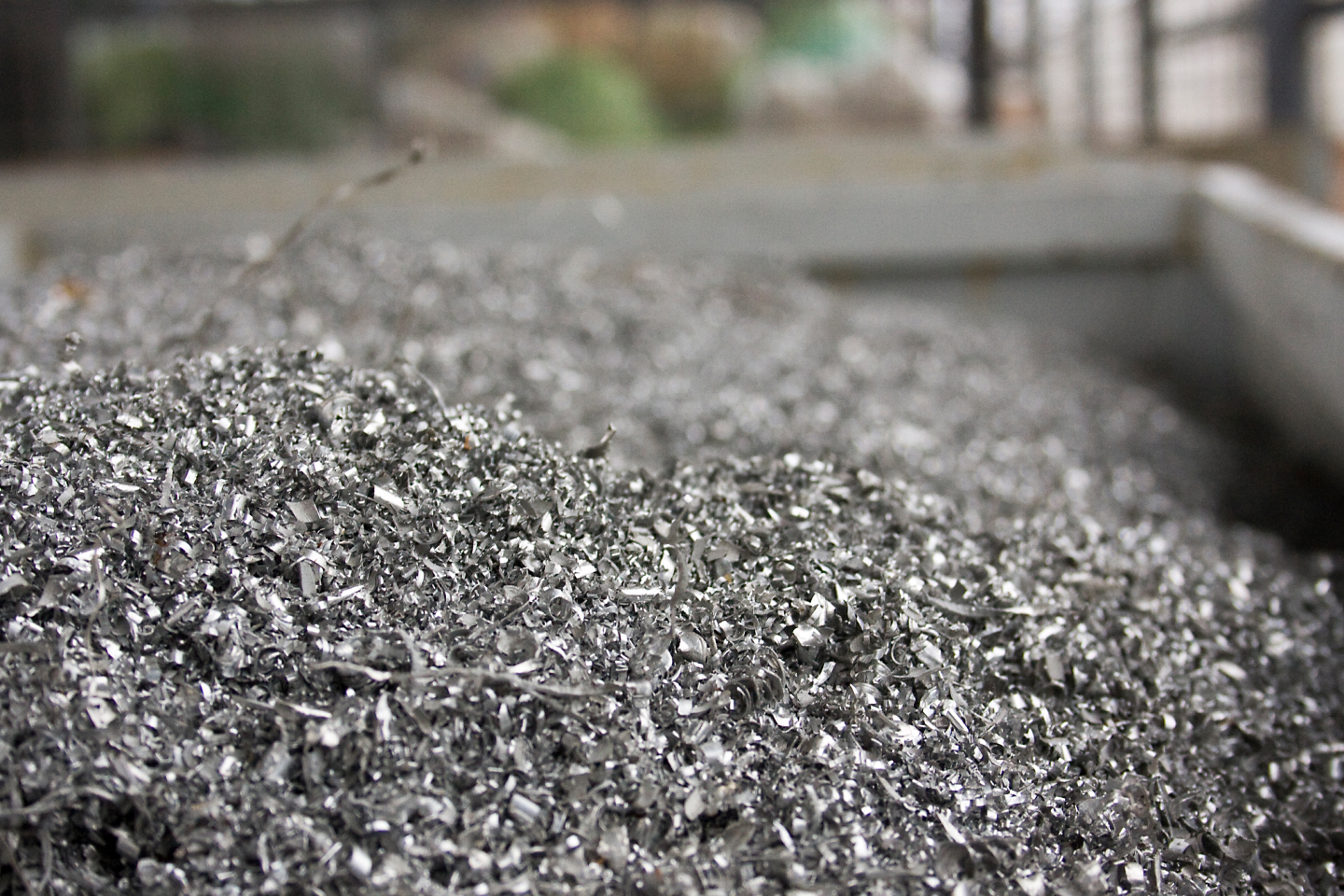
The Fund maintained an overweight position in Sims Group which transforms waste metals into valuable resources by collecting and recycling steel, aluminium and other materials that would otherwise be discarded.
Portfolio changes
Additions to the Fund
-
Sandfire Resources Ltd (SFR-AU) – Sandfire Resources is an Australian copper mining company with operations in Botswana and Spain. Sandfire also holds an 87% interest in Sandfire Resources America, which owns the Black Butte Copper Project in Montana, United States. In addition, the company is progressing the Kalkaroo Copper-Gold Project in South Australia and continues rehabilitation activities at its former DeGrussa operation in Western Australia. This company was recently approved by Impact & Ethics team and the holding was initiated as part of the optimization process which aims to reduce tracking error.
-
Northern Star Resources Ltd (NST-AU) – Northern Star Resources is an Australian gold mining company with operations in Western Australia and Alaska. This company was recently approved by Impact & Ethics team and the holding was initiated as part of the optimization process which aims to reduce tracking error.1
-
Evolution Mining Limited (EVN-AU) – Evolution Mining is an Australian gold and copper mining company with operations in Australia and Canada. This company was recently approved by Impact & Ethics team and the holding was initiated as part of the optimization process which aims to reduce tracking error.
Reductions from the Fund
-
Insignia Financial Ltd (IFL-AU) – Insignia Financial was removed from the Fund following the company's agreement to be acquired by CC Capital under a scheme of arrangement. The takeover offer of $4.80 per share represented a significant premium to the company's pre-bid trading price and followed a competitive bidding process involving multiple private equity firms.
-
Mid-America Apartment Communities, Inc. (MAA-US) – The Fund exited Mid-America Apartment Communities after it was removed from Australian Ethical's investable universe following a review by the Ethics team.
-
Wisetech Global Ltd. (WTC-AU) – The Fund exited Wisetech Global after it was removed from Australian Ethical's investable universe following a review by the Ethics team.

Continued investment globally in data centres, semiconductors and AI infrastructure supported earnings growth and helped drive strong returns from a relatively narrow group of tech companies.
Three consecutive interest rate increases by the Reserve Bank of Australia during 2026, combined with elevated inflation pressures, weighed on valuations across Healthcare, Information Technology and other longer-duration growth sectors.
Sector allocation
Sector overweights
Cash, Communication Services, Financials, Health Care, Industrials, Information Technology, Real Estate, Utilities (renewables)
Sector underweights
Consumer Discretionary, Consumer Staples, Energy, Materials
1 Gold and companies whose business is linked to gold (eg gold miners) were recently added to our investible universe (provided any such company appropriately manage their social and environmental impacts). This change is in recognition that gold plays an important role as a defensive asset that can help stabilise portfolios and cushion system‑wide shocks that might otherwise translate into higher living costs, abrupt policy responses, or reduced support for communities. While gold has played this defensive role for centuries, its significance has grown further in recent times as central banks have been increasing their gold holdings, reflecting concerns about long-term monetary and geopolitical instability. In increasingly uncertain and volatile economic environments, the defensive qualities of gold have become ever more pertinent.
Interests in Australian Ethical Managed Funds are issued by Australian Ethical Investment Ltd (ABN 47 003 188 930, AFSL 229949) the Responsible Entity of the Australian Ethical Managed Funds.
The information is of a general nature and is not intended to provide you with financial advice or take into account your personal objectives, financial situation or needs. Before acting on the information, consider its appropriateness to your circumstances and read the Financial Services Guide, relevant product disclosure statement (PDS) and Target Market Determination (TMD) available on our website. You may wish to seek financial advice from a licensed financial adviser before making an investment decision. Past performance is not a reliable indicator of future performance.
Investing ethically and sustainably means that the investment universe will generally be more limited than non-ethical, non-sustainable portfolios in similar asset classes. This means that the portfolio(s) may not have exposure to specific assets which over or underperform over the investment cycle, and so the returns and volatility of the portfolio(s) may be higher or lower than non-ethical, non-sustainable portfolios over all investment time frames.
*Total returns are calculated using the sell (exit) price, net of management fees and gross of tax as if distributions of income have been reinvested at the actual distribution reinvestment price. The actual returns received by an investor will depend on the timing, buy and exit prices of individual transactions. Return of capital and the performance of your investment in the fund are not guaranteed. Past performance is not a reliable indicator of future performance. Figures showing a period of less than one year have not been adjusted to show an annual total return. Figures for periods of greater than one year are on a per annum compound basis. The current benchmark may not have been the benchmark over all periods shown in the above chart and tables. The calculation of the benchmark performance links the performance of previous benchmarks and the current benchmark over the relevant time periods.
This commentary may contain material provided by third parties derived from sources believed to be accurate at its issue date. While such material is published with necessary permission, Australian Ethical accepts no responsibility for the accuracy or completeness of, nor does it endorse any such third party material. To the maximum extent permitted by law, we intend by this notice to exclude liability for this third-party material.
The information contained in this document is believed to be accurate at the time of compilation.