
How to: Take action against animal cruelty
This is the second in a series of two articles on animal research. The first article provides an introduction into animal research and some ways Australian Ethical is making a difference. This article suggests ways individuals can do their bit.
The choices we make with our money matter. Anyone who invests their retirement savings with Australian Ethical, or is considering doing so, probably knows this instinctively already.
Every time we make a purchase, we are essentially casting a vote for the kind of world we want to live in. When we buy from companies that prioritise good ethical practices, we are encouraging more businesses to follow suit. Equally, if we stop supporting products and brands with questionable ethical practices, we are sending a message to companies to do better.
The more informed we are, the more we can speak with conviction to our friends and families about brands that are doing good for the planet and humanity, the more impact we can have, both individually and collectively, with our purchasing decisions.
By the end of this article, we hope you’ll be a step closer to understanding how and why your finances matter in the fight against animal testing.
So what's the problem?
Animal testing is still widespread in medical and product development. Even though the 3Rs of animal research (replacement, reduction and refinement) were developed more than 50 years ago as a framework for more humane and ethical research, regulation in this area is not enforced, and companies are more or less responsible for setting their own standards.
Appropriate alternatives to animal testing methods have evolved significantly over the years, and yet animal testing continues. This is particularly concerning when it comes to unnecessary testing for cosmetic products that aren’t making a contribution to human health and wellbeing.
If this is news to you, you’re not alone. Many customers may not be aware of just how wide-spread animal testing is. Each of us can send a clear signal to companies that the quality-of-life of animals matters.
We can make wise choices in selecting brands and products we buy. We can join campaigns to pressure companies that aren’t holding themselves to higher standards. We can take action with our finances.
Once you’re familiar with the brands on the test and do not test lists, do an audit of your own home, and be methodical when buying new products.
Ways you can act
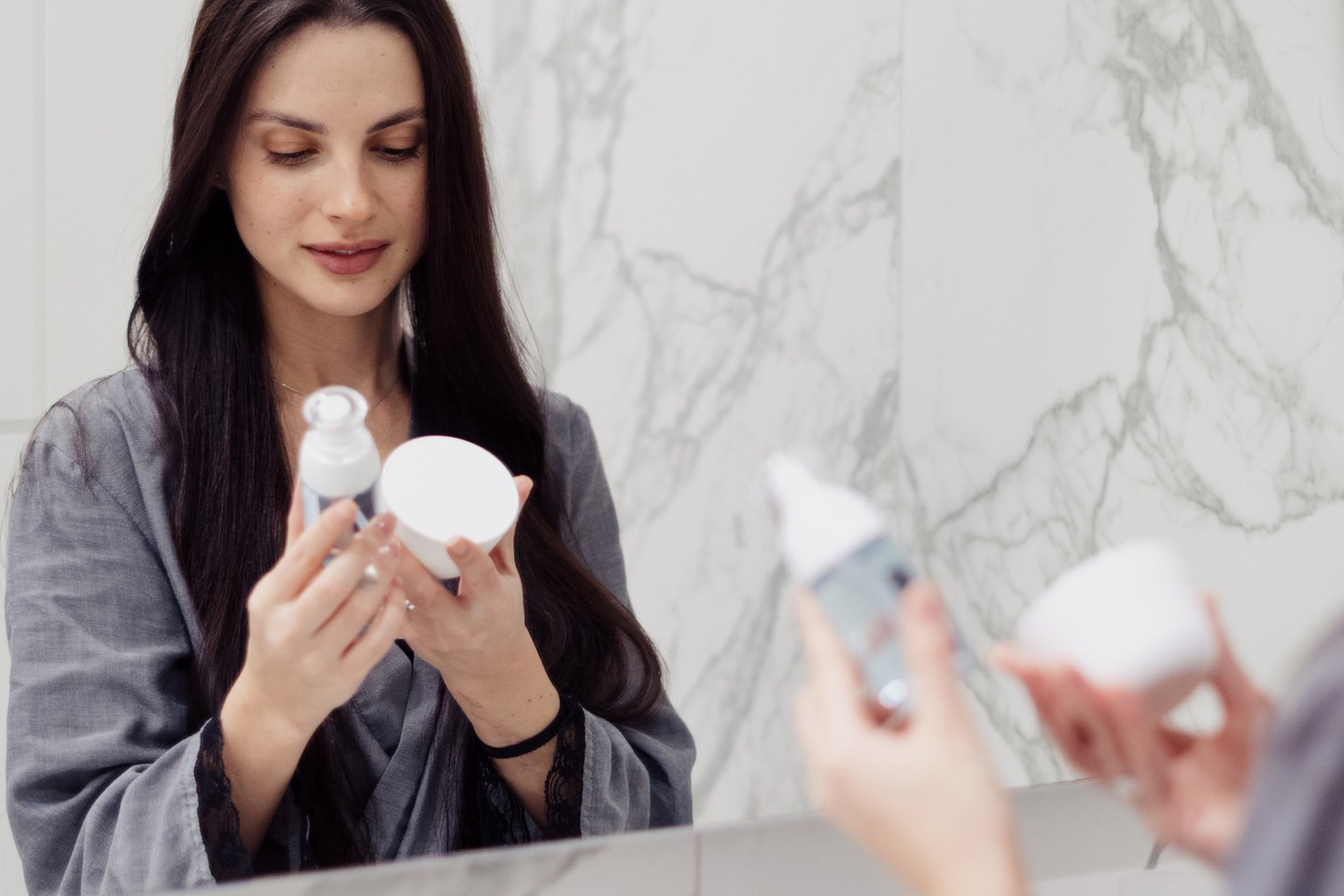
Do not buy cosmetics or household products that have been tested on animals or have animal-based ingredients. People for the Ethical Treatment of Animals (PETA) has compiled a list of companies that don’t test on animals, which it also narrows down to Australian brands. The lists include cosmetics, personal-care products, household-cleaning products, and other common household items. There’s also a PETA list for companies that do test on animals.
Australian Ethical has zero tolerance when it comes to investing in companies that conduct animal research for personal care products and cosmetics.


