
What reporting season told us, and why we're encouraged
In brief
Every August, Australian companies publish their financial results, and it's one of our favourite times of year. It gives us a chance to look closely at the investments we hold, check our thinking, and test our conviction against the numbers. This year, we liked what we saw.
Why this matters
Unlike a lot of other funds, we don't build our portfolio around the biggest companies in the market. We invest in companies we believe will contribute something positive to both your retirement savings and the world. That shapes how we assess financial performance and long-term growth potential, and it also means we look past market noise and focus on evidence.
A year of swings
The past 12 months have been eventful, with geopolitical tension, energy supply pressures, rising inflation and interest rates all pushing markets in directions that didn't always favour us.
Areas like healthcare, technology, and smaller emerging businesses got heavily sold off. In many cases we think the selling said more about the mood of investors than the underlying businesses.
Looking under the hood
When Australian companies report their financial results, it's one of the most valuable times of year for investors like us. We dig into the numbers, talk to management, and test our thinking against the company's own story.
This reporting season mattered more than most. After a year in which areas we know well had been sold off heavily, we needed to look past the falls and assess whether they were justified, or just fear playing out.
Healthcare: the recovery we expected
We have long-term conviction in healthcare. These are businesses providing essential therapies and treatments to growing, ageing populations worldwide. When interest rates rise, investor enthusiasm for these companies can cool, but the underlying quality of the businesses doesn't change. We have continued to hold the positions we believe in.
As at 1 October 2026, CSL is up 44% from the end of July. One of the world's leading providers of plasma therapies and vaccines, it was heavily sold off last year. The bounce back reflects the quality we continue to see.
Meanwhile, Cochlear shares are up almost 9% since 31 July. While Cochlear has been facing a difficult period – slower implant market growth and short-term headwinds – we recognise their market-leading position, track record of innovation, and growing global demand for hearing solutions.
Cogstate is up 60% over six months. It supports clinical trials across multiple therapeutic areas, has diversified well beyond its original Alzheimer's research focus, and holds more cash than debt. Its revenue outlook is becoming more predictable, and the market is starting to catch on to what we already see.
Short-term price movements don't guarantee future returns. But these are early signs that holding quality companies through difficult periods can be beneficial over the long term.
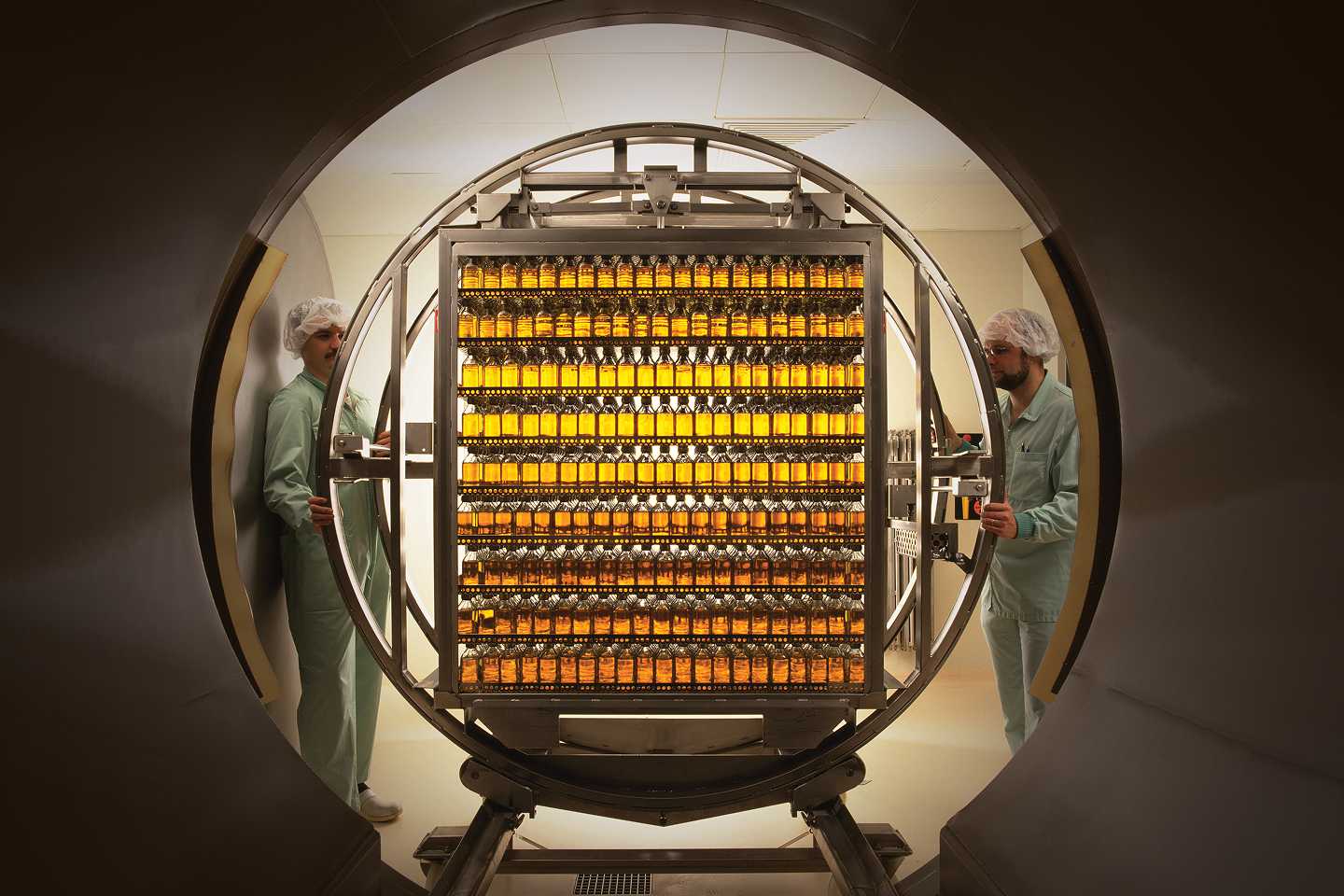
CSL is one of the world's leading providers of plasma therapies and vaccines.
The energy transition: what we back instead
Last year's big winners included Woodside, BHP, Fortescue and Rio Tinto, lifted by rising oil and gas prices. We don't hold securities in those companies^. Our Ethical Charter, in place for over 40 years, directs us toward businesses positioned for long-term relevance and away from those we believe face structural decline. What we back instead are the materials and companies the energy transition actually depends on.
Copper powers renewable infrastructure; lithium underpins EV batteries and energy storage. We think this is where more durable long-term demand exists, and it's a space we have real conviction in.
Capstone Copper is up more than 20% over six months, with investors increasingly recognising the scale of its growth potential across mines in the Americas.
We don’t just invest in copper through individual companies, we also invest in the metal itself. It's a market we have long-term conviction in, and we manage our exposure actively, buying when copper falls out of favour and reducing when investor demand starts pushing prices higher than the outlook justifies. We've been trimming recently as investors have been bidding this area up.

Lithium underpins EV batteries and energy storage, which is where we see durable long-term demand for Materials.
Our ethical assessment doesn't sit separately from our investment analysis, it runs through it, helping us identify risks and opportunities that a purely financial approach can miss.
Technology: looking past the disruption
Australian tech fell around 52% in the 12 months to June. Much of that selling was driven by AI uncertainty rather than company fundamentals.
We've invested in technology for four decades and we believe the market is still working out which businesses are genuinely at risk, and which ones aren't.
Xero is our clearest example. With close to five million customers deeply embedded in small business accounting workflows, it isn't easily displaced, meanwhile switching could be expensive and disruptive for a lot of Xero's customers to seriously consider. It also has an active AI development programme, including a partnership with Anthropic. Despite all of this, it currently trades at around 4.0 times revenue, compared to over ten times historically, and we think the market still has some catching up to do.
What 40 years of conviction looks like
Our ethical assessment doesn't sit separately from our investment analysis, it runs through it, helping us identify risks and opportunities that a purely financial approach can miss. For four decades that has directed us toward businesses positioned for long-term structural change: renewable infrastructure, battery technology, healthcare, aged care. Many of these were not mainstream investment themes when we started backing them.
The companies that bounced back this year reflect our belief in the underlying businesses and the long-term trends behind them. We held our positions through a difficult period because we believed in what these companies do and where the world is heading.
1 All stock price movements mentioned in this article are as at 1 October 2026.
^ Our investment restrictions include thresholds and other tolerances that vary depending on the investment. We apply both qualitative and quantitative analysis when making investment decisions and may invest where we believe the positive aspects outweigh the negative. From time to time, we may use derivatives that provide temporary exposure to a broad market index, such as the S&P/ASX 200. This does not involve direct investment in, or ownership of, the underlying companies. For more information, please read our Ethical Guide.


