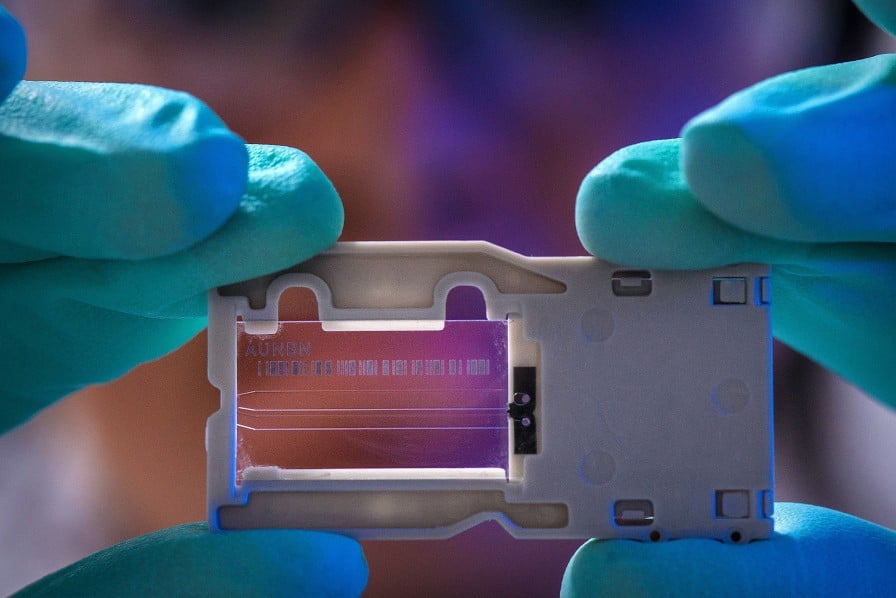
Animal research still causes harm – and alternatives exist
People might assume animal testing is now rare, tightly controlled or only used as a last resort, but animals are still widely used in medical and scientific research1.
Australians care deeply about this issue. In fact, animal cruelty is now the top and fastest‑growing concern for Australians when it comes to responsible investing preferences, according to the Responsible Investment Association Australasia (RIAA)2.
Despite this, animal testing continues to increase globally. While comprehensive data is limited, the best available estimates show that each year tens of millions of animals are still used for scientific purposes worldwide (excluding observational studies)3.
Why this matters
Most people agree on a simple principle: animals shouldn’t be harmed if it can be avoided. We now know animals are sentient — they can perceive and feel pain — which means how they are treated matters.
Where scientific and medical progress can be achieved without using animals, we believe there is a strong responsibility to do so. Around the world, momentum is building to reduce - and in some cases replace - animal research altogether.
In the United States, regulators have removed mandatory animal testing requirements for new medicines, and the National Institutes of Health has committed to prioritising non‑animal methods across its research programs4.
In the United Kingdom, the government has released its first national strategy to replace animals in science, backed by funding, regulatory reform and clear timelines to phase out specific types of animal testing5. Together, these developments signal a clear shift in global expectations — and increasing pressure on other countries to follow.
Australia now faces its critical moment
Australia’s main framework governing animal research – the Australian Code for the Care and Use of Animals for Scientific Purposes – is under review for the first time since 2013, creating a rare opportunity to strengthen how the 3Rs are embedded into regulation and to better support non‑animal models.
A strong review of the Code should focus on improving independence, transparency and consistent application of the 3Rs - particularly Replacement – to strengthen both the ethical standards and scientific integrity of animal research in Australia.
While there has been some progress — such as the 2024 launch of the NSW Non‑Animal Technologies Network — many of the regulatory, commercial and technological barriers identified in the 2023 CSIRO report remain largely unchanged.
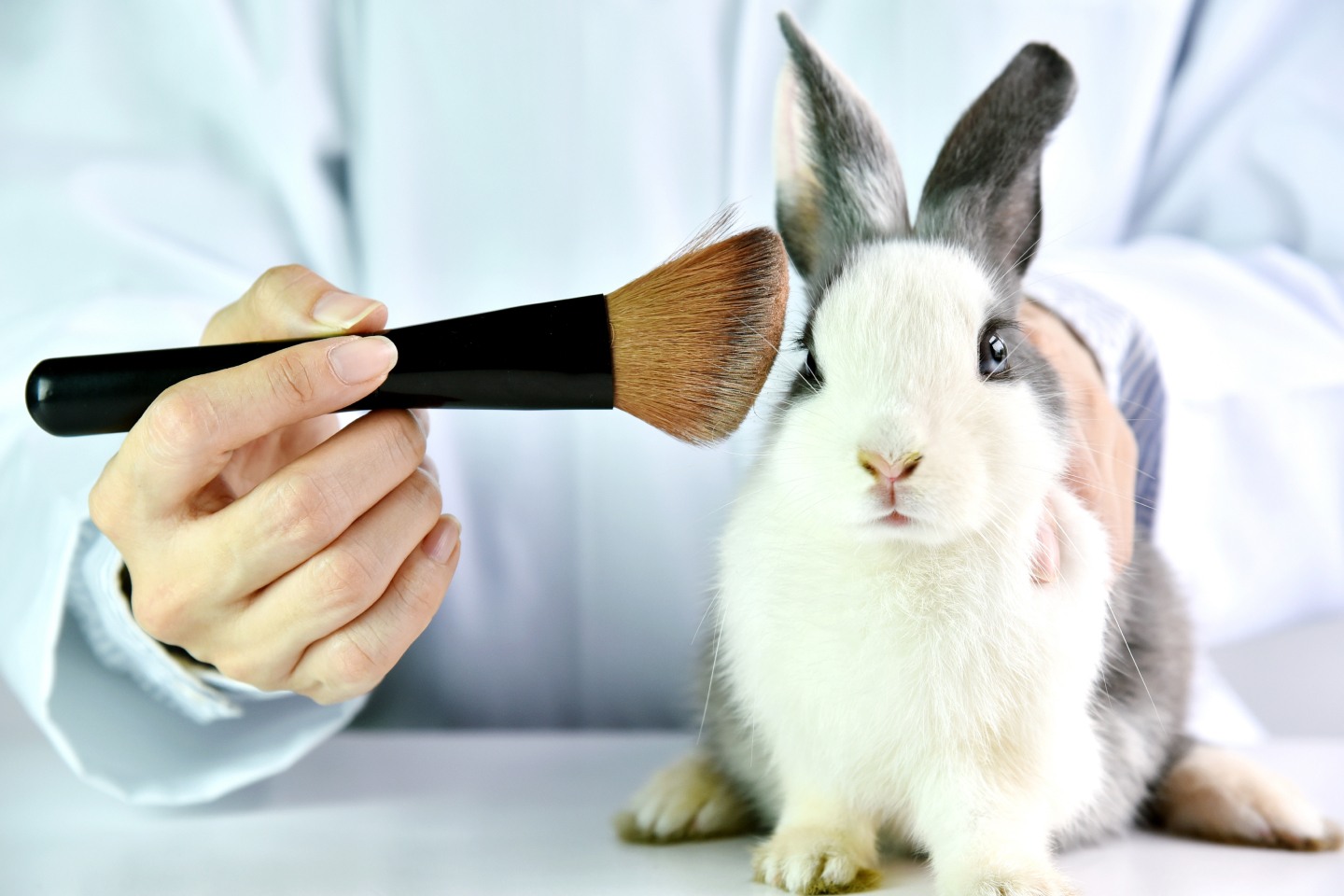
Australian Ethical has zero tolerance when it comes to investing in companies that conduct animal research for personal care products and cosmetics
Animal welfare is fundamental to our purpose. It’s why we work to build a better world — for people, the planet and animals — and why we believe members shouldn’t have to compromise their values to invest for the future.
How we approach animal research in healthcare
We take a clear, common‑sense approach. Australian Ethical restricts investment in companies that conduct animal research for personal care products and cosmetics. For healthcare companies, we apply strict minimum standards where animals are used in medical research.
We recognise there is an important difference between essential medical research – such as developing treatments for serious illnesses – and testing for discretionary products like cosmetics. That distinction matters when assessing how and whether animal research is justified.
We still see value in developing drugs that are going to be beneficial to good health and wellbeing, but we also weigh this with the dignity and wellbeing of non-human animals, as outlined in our Ethical Charter.
Using stewardship to drive change
Beyond our investment decisions, we actively use stewardship to push for change. We engage with companies to strengthen their commitment to the 3Rs — Replacement, Reduction and Refinement — and to accelerate the shift toward non‑animal testing methods.
In Australia, there’s limited regulation around how companies ensure they apply the 3Rs, especially Replacement, so we’ve stepped up our efforts to encourage better practice.
We continue to engage with companies we do and don't invest in to try and encourage change across the industry and genuine commitment to the 3Rs. Our 2025 Stewardship Report provides more information on our animal research engagements.
Our next priority is improving how animal research is carried out in Australian universities.
At the moment, it’s difficult for the public (and even people working within the sector) to understand how Australian universities apply the 3Rs or support alternatives to animal research. Public reporting is inconsistent, and there’s no shared way to assess or compare performance across institutions. This lack of transparency makes it hard to track progress or identify where better practice is emerging.
To help address this, we are developing a university benchmarking project. The aim is to set clear, evidence‑based criteria for assessing how universities apply the 3Rs and support non‑animal alternatives. We are exploring this as a public‑facing tool – aligned with initiatives like the Openness Agreement – to improve transparency and accountability, and to support longer‑term cultural change across the sector.
Beyond the university sector, we will be actively engaging with the review of the Australian Code to push for higher standards, greater transparency and stronger support for non‑animal alternatives in science.
Animal welfare is fundamental to our purpose. It’s why we work to build a better world — for people, the planet and animals — and why we believe members shouldn’t have to compromise their values to invest for the future.
1 https://publications.csiro.au/publications/publication/PIcsiro:EP2023-3601
2 https://responsibleinvestment.org/wp-content/uploads/2024/03/From-Values-to-Riches-2024_RIAA.pdf
3 The number of animals used in research is not consistently recorded. The most reliable figure we have to date is that over 190 million animals were used for scientific purposes (not including observational studies) in 2015: Taylor K, Alvarez LR. An Estimate of the Number of Animals Used for Scientific Purposes Worldwide in 2015. Alternatives to Laboratory Animals. 2019;47(5-6):196-213. doi:10.1177/0261192919899853; Statista reports over 50 million animals used in research and testing in 2020 across selected countries: https://www.statista.com/statistics/639954/animals-used-in-research-experiments-worldwide/
4 https://www.nih.gov/news-events/news-releases/nih-prioritize-human-based-research-technologies